Rewind 94.3 wants to make sure all of our listeners stay safe during weather emergencies, and part of that is staying informed. Here’s some information, much of it courtesy of the National Weather Service, that will keep you safe in a heat wave.
Heat Index: This is what the temperature feels like to the human body when relative humidity is combined with the air temperature. It also has a real impact, as the body reacts to heat and humidity with perspiration. So, while the temperature could be 90 degrees, if it’s humid enough the heat index could be 105 or higher.
Watches and warnings
Excessive Heat Outlooks: Issued when the potential exists for an excessive heat event in the next three to seven days.
Heat Advisory: Issued within 12 hours of the onset of extremely dangerous heat conditions, when the maximum heat index is expected to be 100 or higher for at least two days, and night time temperatures will not drop below 75.
Excessive Heat Watches: Conditions are favorable for an excessive heat event in the next 24 to 72 hours.
Excessive Heat Warning: Issued within 12 hours of the onset of extremely dangerous heat conditions, when the maximum heat index is expected to be 105 or higher for at least two days and night time air temperatures will not drop below 75.
Tips to Stay Safe
Outdoor Activities:
- Slow down. Reduce, cancel or reschedule strenuous activities until the coolest time of the day. Those vulnerable to heat such as children, older adults, those with medical conditions, and pregnant women should stay in the coolest available place, and not necessarily indoors.
- Dress for summer. Wear lightweight, loose-fitting, light-colored clothing to reflect heat and sunlight.
- Minimize direct exposure to the sun. Sunburn reduces your body’s ability to dissipate heat.
Eating and Drinking:
- Eat light, cool, easy-to-digest foods such as fruit or salads. If you pack food, put it in a cooler or carry an ice pack. Don’t leave it in the sun. Meats and dairy can spoil quickly in hot weather.
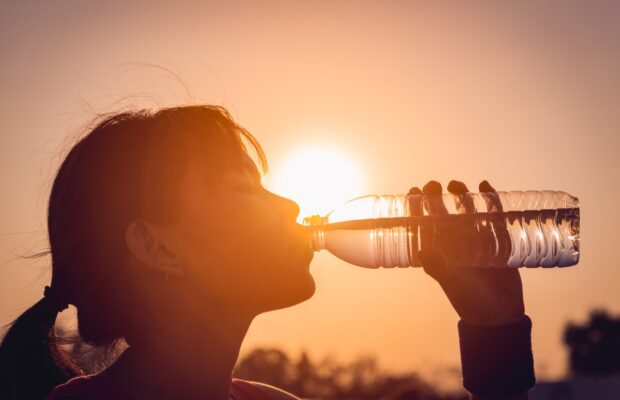
- Drink plenty of water (not very cold), non-alcoholic and decaffeinated fluids, even if you don’t feel thirsty.
- Do not take salt tablets unless specified by a physician.
Cooling Down:
- Use air conditioners or spend time in air-conditioned locations such as malls and libraries. In Clarksville, the city and local agencies will often designate certain facilities as cooling shelters, opening them to people who need to come inside to stay safe. Stay tuned to Rewind 94.3 and Clarksville Now for announcements.
- Use portable electric fans to exhaust hot air from rooms or draw in cooler air.
- Do not direct the flow of portable electric fans toward yourself when room temperature is hotter than 90 degrees. The dry blowing air will dehydrate you faster, endangering your health.
- Take a cool bath or shower.
Check on Others: Check on older, sick or frail people who may need help responding to the heat. Each year, dozens of children and untold numbers of pets left in parked vehicles die from hyperthermia. Keep your children, disabled adults, and pets safe during heat waves.
Illnesses
Heat Cramps: Painful muscle cramps and spasms usually in legs and abdomen and heavy sweating. First Aid: Apply firm pressure on cramping muscles or gently massage to relieve spasm. Give sips of water unless the person complains of nausea, then stop giving water. Seek immediate medical attention if cramps last longer than one hour.
Heat Exhaustion: Heavy sweating, weakness or tiredness; cool, pale, clammy skin; fast, weak pulse, muscle cramps, dizziness, nausea or vomiting, headache, fainting. First Aid: Move person to a cooler environment, preferably a well air conditioned room. Loosen clothing. Apply cool, wet cloths or have person sit in a cool bath. Offer sips of water. Seek immediate medical attention if the person vomits, symptoms worsen or last longer than one hour.
Heat Stroke: Throbbing headache, confusion, nausea, dizziness, body temperature above 103 degrees, hot, red, dry or damp skin, rapid and strong pulse, fainting, loss of consciousness. First Aid: Call 911 or get the victim to a hospital immediately. Delay can be fatal. Move the victim to a cooler, preferably air-conditioned, environment. Reduce body temperature with cool cloths or bath. Do NOT give fluids.